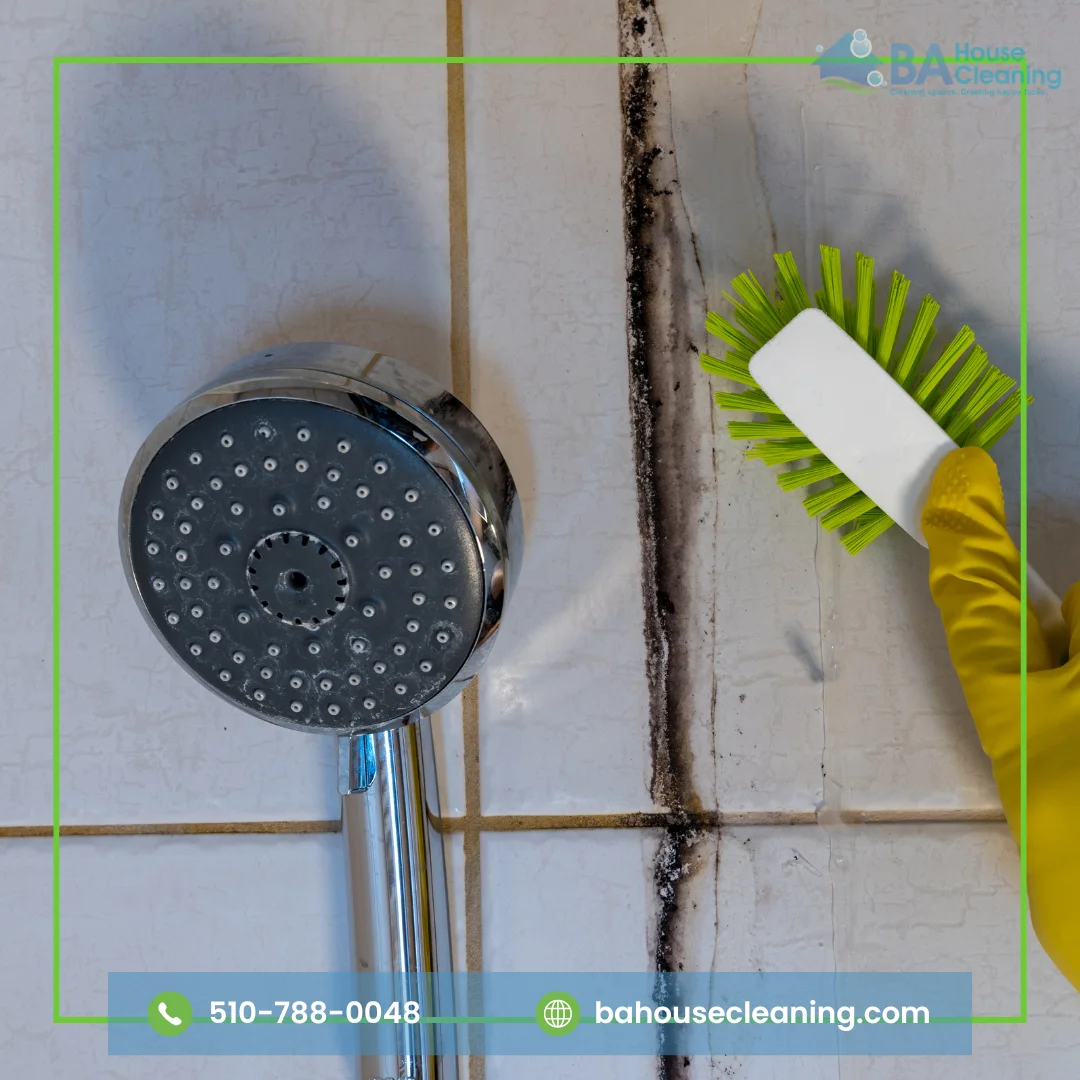
How to Clean Grout Safely: Best Methods for Floors, Kitchens & Baths

Professional Cleaning Services

Click here to schedule your cleaning and enjoy a spotless space.

Grout can make an otherwise clean tiled surface look old, dull, and neglected. Even when the tiles themselves are bright and freshly cleaned, dark or stained grout lines can completely change the appearance of a bathroom, kitchen, hallway, or entryway. Because grout is more likely to trap dirt, moisture, soap residue, grease, and everyday debris, regular mopping is not always enough to keep it looking clean.

Learning how to Clean Grout starts with understanding what caused the discoloration in the first place. Bathroom grout often deals with constant moisture, soap residue, and poor ventilation, while kitchen grout can collect grease, food particles, and spills. Floor grout may gradually become darker because of tracked-in dirt, dust, and contaminated mop water that settles into the joints over time.

The right cleaning method depends on the type of buildup, the condition of the grout, and the tile surrounding it. Using the strongest cleaner first is not always the best solution and may create unnecessary risks for grout, sealers, or certain tile surfaces. A better approach is to start with gentler methods, identify the source of the problem, and increase cleaning strength only when necessary.

At BA House Cleaning, we know that clean grout can make a noticeable difference in how fresh and well-maintained an entire room looks. Whether you are dealing with dirty bathroom joints, greasy kitchen grout, or dark floor grout, using the correct technique can help improve the appearance of your tiled surfaces while avoiding unnecessary damage.

In this guide, you will learn how to Clean Grout safely and effectively, which cleaning methods work best for different areas of the home, what products require extra caution, how to deal with stubborn stains, and what you can do to keep grout cleaner for longer.

How to Clean Grout

Why Grout Gets Dirty Faster Than Tile

Grout fills the joints between tiles. Many traditional cement-based grouts are more porous than glazed tile, so dirt, moisture, spills, and residue can settle into the surface more easily.

Bathrooms expose grout to water and soap residue, kitchens add cooking grease and spills, while entryways and hallways collect soil from shoes.

Understanding the cause is an important part of How to Clean Grout, because ordinary soil, grease, mineral residue, and recurring moisture problems do not always require the same solution.

How to Clean Grout Without Damaging the Surface

Begin with the least aggressive method capable of removing the buildup. Before applying cleaner, remove loose dust and debris so dry soil does not turn into muddy residue.

Inspect both the grout and surrounding tile. Different tile materials have different maintenance requirements, and one cleaner may not suit every surface.

Keep these basic rules in mind:

  • Start with warm water or a mild grout-compatible cleaner.
  • Use a nylon grout brush instead of an aggressive metal brush.
  • Test unfamiliar cleaners in a small, inconspicuous area.
  • Follow product dilution and contact-time instructions.
  • Never mix household cleaning products.
  • Remove dirty cleaning solution rather than letting it dry back into the joints.
  • Rinse when the product instructions require it.
  • Let the area dry before judging the final result.

The Tile Council of North America notes that contaminated cleaning water should actually be removed from grout rather than simply moved around. That is one reason repeated mopping may fail to restore dark grout lines.

How to Clean Grout Step by Step

For ordinary dirt and discoloration, a systematic process is usually more effective than starting with aggressive chemicals.

Step 1: Remove Loose Dirt

Sweep or vacuum the tiled area thoroughly, paying attention to corners, edges, and grout joints. On floors, adding water before removing loose soil can spread dirt deeper into the joints.

Step 2: Apply Warm Water or a Mild Cleaner

Apply warm water or a grout-compatible cleaner to a manageable section. Working in smaller areas gives you time to scrub and remove the dirty solution before it dries.

Step 3: Let the Cleaner Work

If the label allows it, give the cleaner a short amount of contact time to loosen residue. Do not leave products on longer than recommended.

Step 4: Scrub With a Nylon Brush

Work along the joints using controlled pressure. Focus on the grout rather than aggressively scrubbing the surrounding tile.

Step 5: Remove the Dirty Solution

Wipe or extract the loosened soil. Use clean rinse water when required and replace the water once it becomes visibly dirty.

Step 6: Let the Grout Dry

Allow the grout to dry completely before deciding whether staining remains. Wet grout often appears darker than dry grout.

This gradual process is one of the safest answers to How to Clean Grout when you do not yet know how deeply the discoloration has penetrated.

How to Clean Grout in a Bathroom

Bathroom grout faces moisture, soap residue, body oils, and product buildup. Shower walls, floors, and areas around tubs can discolor even with regular cleaning.

When deciding how to Clean Grout in a bathroom, clear the area, ventilate if possible, then use a mild grout-compatible cleaner in small sections with a nylon brush.

Corners and joints near the bottom of a shower often need extra attention because moisture and residue can remain there longer. After cleaning, remove the dirty solution and rinse if necessary. Drying the surrounding tile with a microfiber cloth or squeegee can also reduce moisture left on the surface.

The U.S. Environmental Protection Agency emphasizes that moisture control is central to controlling mold. If dark spotting repeatedly returns, check for leaks, poor ventilation, or areas that remain damp for long periods.

How to Clean Kitchen Grout and Greasy Buildup

Kitchen grout often needs a different approach because grease can hold dust and soil on the surface.

For greasy areas, choose a grout- and tile-compatible cleaner designed to cut grease. Follow the label, use the recommended contact time, scrub with a nylon brush, then remove the dirty solution.

Clean spills as soon as practical instead of allowing oils or sauces to dry into the joints. This simple habit reduces the amount of intensive cleaning required later.

Understanding the contamination makes How to Clean Grout more efficient because you can choose a method based on the problem instead of repeatedly scrubbing with the wrong product.

How to Clean Floor Grout That Has Turned Dark

Dark floor grout is not always permanently stained; accumulated soil and dirty cleaning water are common causes.

Vacuum thoroughly, apply an appropriate cleaner in small sections, scrub with a nylon brush, and remove the dirty solution before moving on.

One common mistake is continuing to mop with increasingly dirty water. Once the water becomes visibly soiled, replace it. Otherwise, dirt may simply be redistributed over the floor and into the grout lines.

The surrounding tile also matters. If your home has porcelain flooring, use methods that are suitable for the tile itself while treating the joints separately. Our complete guide to Porcelain Tile Cleaning explains how to care for porcelain surfaces without confusing tile maintenance with grout cleaning.

That distinction is important when learning How to Clean Grout, because a product used on stubborn grout will also contact the material surrounding it.

Baking Soda and Hydrogen Peroxide for Grout Cleaning

Baking soda is often suggested because it can form a paste that stays on narrow or vertical grout lines. For light surface dirt, a small amount mixed with water may provide mild mechanical cleaning action. Test it first, scrub gently with a nylon brush, and rinse thoroughly.

Hydrogen peroxide is also common in DIY grout-cleaning advice, particularly for localized discoloration. Before using it, test a hidden area and make sure it is appropriate for the grout, tile, and any sealer.

Do not combine household products simply because each one is used for cleaning. The American Cleaning Institute advises against mixing cleaning products because ingredients can react dangerously.

The goal of How to Clean Grout is controlled cleaning, not creating the strongest possible homemade mixture.

Can You Use Vinegar or Bleach on Grout?

Vinegar and bleach are two of the most common products mentioned in DIY grout-cleaning advice, but neither should automatically be the first choice.

Vinegar is acidic, so suitability depends on the grout, sealer, and surrounding tile or stone. If you do not know what materials you have, begin with a mild, nonacidic grout-compatible cleaner.

Bleach may be appropriate for some specific products and surfaces, but ordinary dirt often responds to gentler methods. If you use a bleach-containing cleaner, follow the label, ventilate the area as directed, and use the recommended protective precautions.

Most importantly, never mix bleach with ammonia, acids, or other cleaning products. The American Cleaning Institute’s bleach safety guidance specifically warns against these combinations.

A safer approach to How to Clean Grout is to use one suitable product at a time and increase cleaning strength only if the condition requires it.

How to Deal With Mold-Like Discoloration on Grout

Dark spotting in showers and other damp spaces may return if the underlying moisture problem continues.

For small areas on hard washable surfaces, remove the visible residue with an appropriate detergent and dry the area thoroughly. The EPA recommends addressing the moisture source as part of mold cleanup, not simply cleaning what you can see.

Ventilate bathrooms, address plumbing leaks, remove standing water, and help wet surfaces dry after use. If discoloration repeatedly returns, covers a large area, or appears with damaged building materials, the issue may require more than routine household cleaning.

This is an important distinction in How to Clean Grout: cleaning can improve a sound surface, but it cannot fix a leak or hidden moisture problem.

Is Steam Cleaning Good for Grout?

Steam can help loosen soil from some tiled surfaces and grout joints without relying entirely on chemical cleaners. It can be useful where manual brushing is difficult across a larger area.

However, not every tile installation, grout type, sealer, or surrounding material should automatically be steam cleaned. Check the recommendations for the tile system and follow the steam-cleaner manufacturer’s instructions.

When the surface is suitable, steam can be one useful option within a broader How to Clean Grout routine, but it is not a universal solution for every grout problem.

Common Grout Cleaning Mistakes to Avoid

Even a good cleaner can produce disappointing results when the process is wrong.

  • Starting With the Strongest Cleaner

If a mild cleaner removes the soil, there is no advantage in beginning with an aggressive chemical.

  • Mixing Cleaning Products

Never combine cleaners because you assume two products will work better together. Chemical mixtures can create dangerous reactions.

  • Using the Same Cleaner on Every Tile

The grout may be the target, but the cleaner will also touch the surrounding tile. Porcelain, ceramic, and natural stone can have different care requirements.

  • Scrubbing With Metal Brushes

More abrasion does not necessarily mean better cleaning. A nylon grout brush is a safer starting point for routine work.

  • Leaving Dirty Water on the Floor

Once dirt has been loosened, remove it. Allowing contaminated water to dry back onto the surface can leave residue behind.

  • Assuming Every Dark Line Is Dirt

Grout may remain dark because its color has changed, the sealer has deteriorated, or the grout itself is worn. Repeating the same cleaning method will not necessarily restore it.

Avoiding these mistakes makes How to Clean Grout less about brute force and more about choosing the right process.

How Often Should You Clean Grout?

There is no single schedule for every home. Instead of waiting until joints become noticeably dark, include grout in regular tile maintenance: vacuum or sweep floors, wipe spills promptly, keep bathrooms reasonably dry, and address grease early.

Homes with children, pets, frequent cooking, or high foot traffic may need more attention. Preventive maintenance is often the easiest version of How to Clean Grout because it stops months of residue from accumulating.

How to Keep Grout Clean for Longer

Deep cleaning helps restore dirty joints, but prevention reduces how often you need to repeat the process.

  • Remove food, oil, cosmetics, and muddy-water spills promptly.
  • Vacuum before mopping so loose soil does not settle into grout.
  • Replace mop water when it becomes visibly dirty.
  • Use bathroom ventilation to help wet shower surfaces dry.
  • Avoid using excess detergent that may leave residue.
  • Follow the maintenance instructions for the grout and any sealer.

Consistent maintenance makes How to Clean Grout easier because the joints are less likely to develop heavy buildup.

When Grout Needs More Than Cleaning

There comes a point when more scrubbing is not the answer.

Inspect the joints if you notice cracking, missing sections, separation from tile edges, powdery grout, recurring moisture damage, or discoloration that does not improve after appropriate cleaning.

Cleaning can remove soil from a sound surface, but it cannot rebuild grout that has physically deteriorated. Depending on the condition, the area may need repair, resealing, recoloring, or regrouting.

A useful part of learning how to Clean Grout is recognizing when the problem has moved from cleaning into repair or restoration.

When Professional Deep Cleaning Makes Sense

DIY grout cleaning works well for many small areas, but heavily soiled grout across an entire kitchen, bathroom, hallway, or tiled floor can take considerable time.

Professional deep cleaning can make sense when routine mopping no longer restores the floor, when buildup extends across a large area, or when you want grout addressed as part of a more detailed home cleaning.

BA House Cleaning’s deep cleaning services include detailed bathroom cleaning and tile-grout scrubbing, making them a practical option when the surrounding room also needs attention.

Professional cleaning should still be separated from grout repair. If the grout is cracked, missing, crumbling, or affected by an unresolved water problem, a tile or grout repair specialist may be the appropriate next step.

5 Grout Cleaning Rules to Remember

Before choosing another product or beginning another round of scrubbing, keep these five points in mind:

  1. Identify the problem first. Ordinary soil, grease, soap residue, and moisture-related discoloration may need different approaches.
  2. Start with the gentlest suitable method. Stronger chemicals are not automatically better for routine dirt.
  3. Protect the surrounding tile. Any grout cleaner will also touch the tile, so confirm that the method is suitable for both surfaces.
  4. Remove the dirty solution completely. Do not loosen dirt only to let contaminated water dry back into the joints.
  5. Address recurring moisture or damage. If stains keep returning or the grout is deteriorating, cleaning alone may not solve the problem.

These five rules turn How to Clean Grout from trial and error into a more controlled process that protects the appearance of the entire tiled surface.

How to Clean Grout

Keep Tile and Grout Looking Cleaner for Longer

The best approach to How to Clean Grout is not one miracle ingredient. It is a process: identify the buildup, remove loose dirt, begin with a compatible cleaner, use the right brush, remove dirty cleaning water, and increase cleaning strength only when the surface actually requires it.

Bathroom grout benefits from moisture control. Kitchen grout needs quick attention to grease and spills. Floor grout stays cleaner when loose soil is removed before mopping and dirty water is changed frequently. Every grout-cleaning method should also be considered alongside the tile surrounding it.

Regular maintenance can make future cleaning much easier. If grout has become heavily soiled across a large area or your home needs a more detailed reset, BA House Cleaning can help with professional deep cleaning that addresses tile, grout, and other often-missed areas of the home.

A few narrow grout lines can have a surprisingly large effect on how clean a room looks. Caring for them correctly helps the entire tiled surface look brighter, fresher, and better maintained.

Want more practical cleaning tips and home care advice? Follow BA House Cleaning on Facebook for useful cleaning ideas, helpful maintenance tips, and updates from our team.

Frequently Asked Questions

  • What is the easiest way to clean grout?

Start by sweeping or vacuuming the area, then use warm water or a mild grout-compatible cleaner with a nylon brush. Scrub gently, remove the dirty solution, rinse when required, and allow the grout to dry completely.

  • How do you clean really dirty grout?

Heavily soiled grout may require a cleaner specifically designed for tile and grout. Apply it according to the manufacturer’s instructions, allow the recommended contact time, scrub with a nylon brush, and remove the dirty solution thoroughly.

Baking soda can help remove light surface dirt when used carefully as a paste. Test it on a small area first, scrub gently, and rinse thoroughly to prevent residue from remaining on the grout or surrounding tile.

  • Is vinegar safe for cleaning grout?

Vinegar is acidic and is not suitable for every type of grout, sealer, or surrounding surface. If you are unsure about your materials, a mild nonacidic grout-compatible cleaner is a safer starting point.

  • Can I use bleach on grout?

Bleach may be suitable for certain cleaning situations, but it should not be the first option for routine grout cleaning. Always follow the product label, ventilate the area, and never mix bleach with other cleaning products.

  • How do I clean grout between floor tiles?

Vacuum or sweep the floor first, apply an appropriate cleaner in small sections, scrub the grout lines with a nylon brush, and remove the dirty cleaning solution. Replace the mop or rinse the water once it becomes visibly dirty.

  • Can a steam cleaner be used on grout?

Steam cleaning can help loosen stubborn dirt from some grout and tile surfaces. However, check the recommendations for your grout, tile, sealer, and steam-cleaning equipment before using this method.

Professional Cleaning Services

Click here to schedule your cleaning and enjoy a spotless space.

GET A CLEANING ESTIMATE 

WAIT, THERE'S MORE!