
These house cleaning tips in Oakland can help homeowners and renters maintain cleaner kitchens, bathrooms, floors, and frequently used spaces throughout the year.
For homeowners and renters looking for reliable house cleaning tips in Oakland, the key is to focus on the areas that collect dirt most quickly. Kitchens, bathrooms, entryways, floors, and frequently used surfaces often need more attention than rooms that receive less daily activity.
Oakland homes also have different cleaning requirements depending on their layout, household size, pets, and proximity to outdoor areas. An apartment near a busy street may collect different types of dust than a home surrounded by trees or landscaping.
This guide covers practical ways to organize your cleaning routine, maintain different rooms, manage household dust, and prepare your home for seasonal cleaning. It also explains when routine maintenance may no longer be enough and professional cleaning could be worth considering.
House Cleaning Tips in Oakland: Start with a Daily Routine
The easiest way to maintain a clean home is to handle small tasks before they accumulate.
Instead of waiting until several rooms need attention, divide household cleaning into short daily activities. Even 15 to 20 minutes of focused maintenance can help keep frequently used areas organized.
Consider including these tasks in your daily routine:
- Make beds and put away clothing.
- Wash dishes or load the dishwasher.
- Wipe kitchen countertops after preparing meals.
- Clean visible food spills immediately.
- Return frequently used items to their designated places.
- Empty small trash containers when necessary.
- Wipe bathroom sinks after heavy use.
- Remove shoes at the entrance to reduce tracked-in dirt.
Follow a Top-to-Bottom Cleaning Order
When cleaning a room, begin with higher surfaces and finish with the floors.
For example, dust shelves, furniture, and accessible light fixtures before vacuuming or mopping. This prevents loose dust from settling on areas you have already cleaned.
A consistent cleaning order also reduces repeated work and makes it easier to move between rooms.
Keep Frequently Used Areas Organized
Entryways, kitchen counters, dining tables, and living room surfaces can become cluttered quickly.
Create designated places for keys, shoes, bags, mail, and everyday household items. Spending a few minutes returning these items to their proper locations can make the entire home feel more organized.
Weekly House Cleaning Checklist for Oakland Homes
Daily maintenance helps control everyday mess, but certain household tasks need more attention throughout the week.
A weekly cleaning checklist provides a simple way to divide responsibilities without leaving everything until the weekend.
Kitchen
- Clean countertops and backsplashes.
- Wipe appliance exteriors and handles.
- Clean the stovetop according to its manufacturer instructions.
- Wash the sink and faucet.
- Remove food residue from cabinet handles.
- Sweep and mop the floor.
- Empty the trash and clean the surrounding area when needed.
Bathrooms
- Clean toilets, sinks, and faucets.
- Wipe mirrors and accessible surfaces.
- Scrub showers and bathtubs as needed.
- Remove visible soap residue.
- Clean bathroom floors.
- Replace used towels.
- Allow damp areas to dry properly.
Bedrooms
- Change bed linens.
- Dust nightstands and accessible furniture.
- Vacuum carpets and rugs.
- Organize clothing and personal belongings.
- Remove dust from accessible shelves.
Living Areas
- Dust tables, shelves, and furniture.
- Vacuum rugs and carpets.
- Clean frequently touched surfaces.
- Organize cushions and blankets.
- Remove visible dirt around entrances.
- Empty waste containers.
You can use the BA House Cleaning Checklist as an additional reference when organizing household tasks.
Kitchen Cleaning Tips: How to Manage Grease and Everyday Mess
The kitchen often needs frequent attention because cooking creates grease, food residue, crumbs, and moisture.
Cleaning spills as they happen is usually easier than removing dried-on buildup later.
Clean Countertops After Food Preparation
Remove crumbs and food residue before applying a suitable surface cleaner.
Choose products that are compatible with your countertop material. Natural stone, laminate, stainless steel, and other surfaces may require different cleaning instructions.
Avoid using abrasive materials on finishes that can scratch easily.
Keep Kitchen Appliances Clean
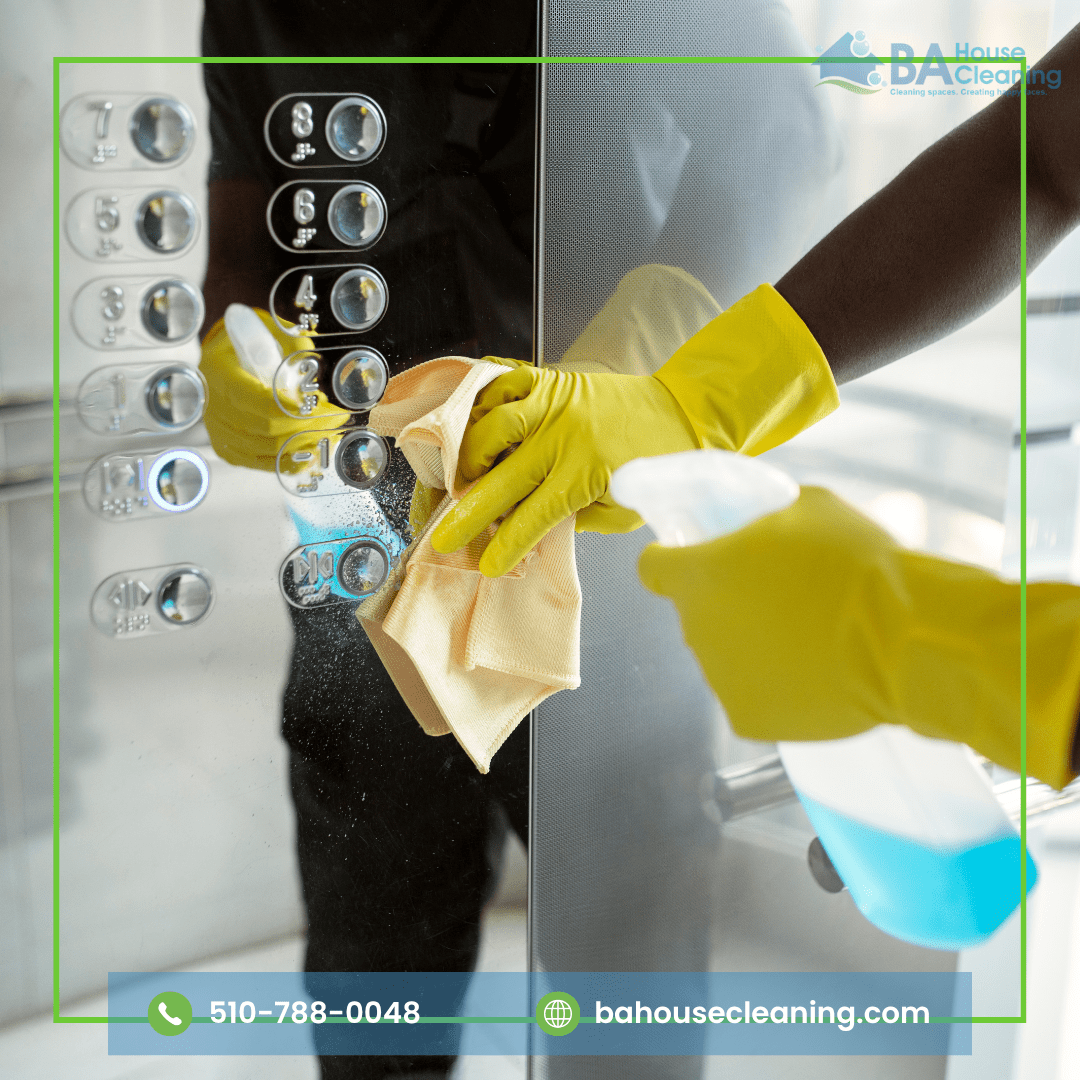
Appliance handles, microwave buttons, refrigerator doors, and stovetop surfaces receive frequent contact.
Wipe accessible exterior surfaces regularly, following the manufacturer’s cleaning recommendations.
For microwaves, removing food splashes promptly makes routine cleaning easier.
Prevent Grease Buildup
Cooking grease can accumulate around stovetops, backsplashes, cabinet fronts, and ventilation areas.
Use an appropriate degreasing product according to its label and the surface manufacturer’s instructions.
Avoid mixing cleaning products, particularly bleach with ammonia or acidic cleaners, because dangerous fumes can result.
Maintain the Kitchen Sink
Food particles and moisture can collect around the drain, faucet, and sink edges.
Rinse the sink after use, remove visible food residue, and dry surrounding surfaces when practical.
These small habits help prevent everyday buildup and keep the kitchen easier to maintain.
Bathroom Cleaning Tips for Better Home Maintenance
Bathrooms need regular cleaning because moisture, soap residue, and daily use affect several surfaces at once.
A practical cleaning routine should address both visible dirt and the conditions that allow moisture to remain.
Clean Frequently Used Fixtures
Give attention to:
- Toilet bowls and exterior surfaces.
- Bathroom sinks and faucets.
- Shower walls and bathtub surfaces.
- Mirrors and glass.
- Cabinet handles.
- Frequently touched switches.
Use cleaning products suitable for the surface being treated.
Reduce Moisture After Showering
Moisture can remain on shower walls, glass, fixtures, and bathroom floors after use.
Where appropriate, use an exhaust fan during and after showers, follow ventilation recommendations, and wipe excess water from suitable surfaces.
Wet towels and bath mats should be allowed to dry rather than remaining folded or damp.
Address Soap Residue and Hard Water Marks
Soap residue and mineral deposits can develop around faucets, shower doors, and bathroom fixtures.
The appropriate cleaning method depends on the material and the type of buildup.
Before using an acidic descaling product, check whether the surface can tolerate it. Natural stone and certain finishes may require specialized products.
How to Reduce Dust in Your Oakland Home
Dust can enter homes through open doors and windows, clothing, shoes, outdoor activity, and normal household use.
The amount and type of dust can vary depending on the property’s surroundings, ventilation, and daily activity.
For Oakland homeowners, maintaining entryways and frequently used surfaces is a practical starting point.
Use Microfiber Cloths for Regular Dusting
Microfiber cloths are useful for collecting dust from suitable furniture and household surfaces.
Use a clean, slightly damp cloth when appropriate instead of spreading dust with a dry cloth.
Start with higher surfaces and work downward before vacuuming or cleaning the floors.
Keep Entryways Clean
Outdoor dirt and debris can travel throughout the home on shoes.
Consider these habits:
- Place a doormat outside and inside the entrance.
- Remove shoes before walking through the house.
- Clean entryway floors regularly.
- Shake out or wash doormats according to their care instructions.